Essential Dumpster Rental Advice From 24 Hour Dumpster
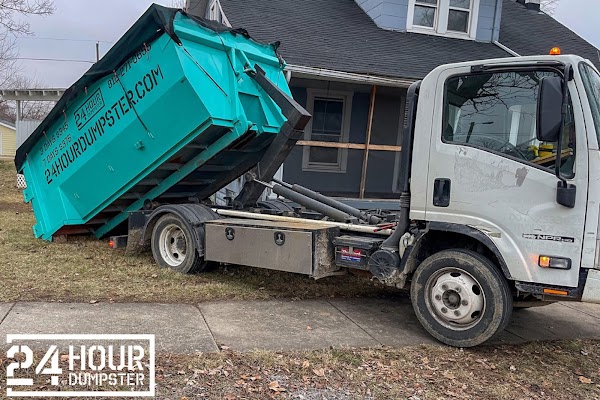
The success of any project frequently relies on efficient waste management from the start. No matter if your project involves remodeling, cleaning, or construction, waste can build up rapidly and become overwhelming. At 24 Hour Dumpster, we understand that choosing the right dumpster and using it effectively can make a significant difference in project efficiency. With the right approach, waste removal becomes an organized process rather than a constant challenge.
Renting a dumpster is not just about dropping a bin on the property. Proper utilization, planning, and comprehension of debris management are key. From our experience, a few practical tips can help prevent setbacks, enhance safety, and maintain a tidy site. These suggestions aim to maximize your dumpster rental efficiency and overall project success.
Identifying the Waste Your Project Generates
One of the most important steps in renting a dumpster is understanding the type of waste your project will generate. Different projects produce different kinds of debris, and having clarity early helps ensure smoother cleanup. 24 Hour Dumpster advises clients to plan based on the type, amount, and frequency of debris. Having this information allows for a more efficient waste removal strategy.
Clearly outlining waste requirements makes debris management smoother and more effective. Structured planning helps avoid overfilled dumpsters, scattered debris, and workflow disruptions. Crew members can focus on their tasks knowing waste management is under control. Careful planning enhances efficiency and ensures cleanup complements the project schedule.
Planning Dumpster Placement Carefully
Where a dumpster is placed can significantly impact how efficiently it is used. A well-planned location allows the team to dispose of waste without hassle. 24 Hour Dumpster suggests positioning dumpsters where they are convenient yet do not interfere with operations. Easy access prevents wasted time and keeps work moving smoothly.
Well-placed dumpsters help keep the surrounding area organized. Accessible dumpsters reduce the chance of loose trash accumulating. Maintaining an orderly environment enhances project flow. Proper placement turns a dumpster into a helpful tool rather than a disruption.
Keeping the Dumpster Organized
Maintaining order within the dumpster enhances overall project efficiency. Haphazard disposal wastes space and can create problems later. 24 Hour Dumpster advises arranging debris methodically for optimal space usage. Structured placement prevents overfilling and maintains usability.
Keeping the dumpster organized also makes disposal safer and more efficient. Proper placement of materials reduces the risk of items shifting or falling out. Project crews experience smoother, more predictable operations. Maintaining order inside the dumpster improves workflow and reduces hassle.
Ensuring a Safe, Tidy Project Site
A well-maintained workspace boosts both safety and project performance. Loose debris poses check here safety risks and disrupts operations. 24 Hour Dumpster recommends ongoing debris management to ensure safety and order. Regular cleanup helps ensure that work areas remain accessible and safe for everyone.
Proper waste management also improves morale and efficiency. Teams are able to focus on tasks without navigating cluttered spaces. Tidiness encourages collaboration and efficient operations. Proper use of dumpsters for ongoing cleanup boosts project efficiency and safety.
Integrating the Dumpster Into Every Stage of the Project
A common mistake is treating the dumpster as a last step rather than making it part of daily operations. 24 Hour Dumpster advises using the dumpster consistently during all project phases. Disposing of waste regularly prevents buildup and keeps the worksite manageable. Consistent usage supports a steady pace of progress.
Handling trash systematically reduces project disruptions. Organization is maintained throughout the project. Staying on top of debris leads to smoother operations and better results. Making dumpster use a regular habit benefits the project overall.
Sharing Dumpster Instructions With Your Crew
Communication is key to making dumpster use effective. Everyone involved in the project should understand how and when to use the dumpster. 24 Hour Dumpster advises setting clear procedures to guide daily disposal. Clear expectations help prevent confusion and misuse.
When teams are aligned on disposal practices, cleanup becomes second nature. Waste is handled efficiently, and the site remains organized. Sharing clear instructions promotes responsibility and collaboration. Correct instructions make the dumpster an aid to progress instead of a hindrance.
Supporting Environmentally Responsible Disposal
Responsible waste disposal is an important consideration for any project. 24 Hour Dumpster supports environmentally conscious practices that promote proper handling of debris. Central collection points streamline responsible handling. Sustainable disposal minimizes waste and fosters organized operations.
Thoughtful disposal shows attention to detail and project integrity. Proper handling ensures a tidy, productive site. Following responsible disposal protocols improves overall workflow and site safety. Green disposal methods lead to successful and conscientious project execution.
Practical Dumpster Rental Guidance
24 Hour Dumpster offers helpful guidance to optimize project waste management. Smart planning, thoughtful placement, and consistent use of dumpsters transform waste management into a streamlined process. These tips support productivity and safety while keeping cleanup under control.
Using these rental strategies allows the team to work efficiently and without distraction. Efficient handling, well-communicated rules, and eco-conscious disposal improve project flow. 24 Hour Dumpster remains committed to helping clients manage waste effectively through reliable guidance and professional support.